
The Paycheck Protection Program (PPP) offered a lifeline to millions of businesses during the COVID-19 crisis. But as tax time rolls around, many small business owners still wonder if they're on the hook for taxes on these loans. Here’s a clear, updated guide on whether PPP loans are taxable and what you need to watch for—without the jargon.
The Basics: Are PPP Loans Taxable?
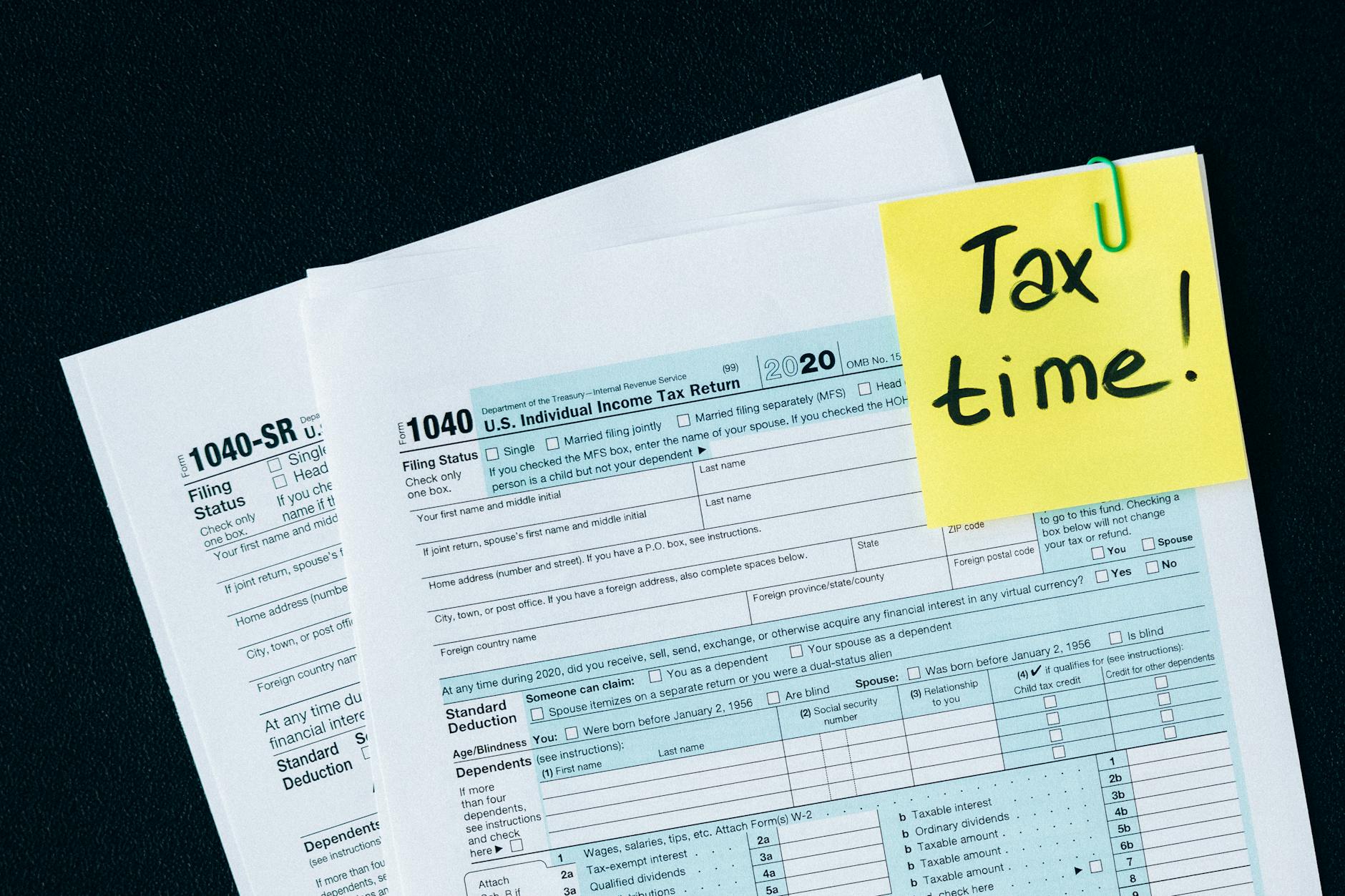 Photo by Nataliya Vaitkevich
PPP loans were designed to help keep businesses afloat. If you used your PPP funds the right way and had your loan forgiven, the IRS says you don’t have to include that forgiven amount as taxable income on your federal tax return. This means PPP loan forgiveness is tax-exempt at the federal level.
Key points:
- Forgiven PPP loans are not taxable as income by the IRS.
- Expenses paid with forgiven PPP loans remain deductible.
- Misuse or fraudulent use of PPP funds can make the loan forgiveness taxable.
How Forgiveness Works
PPP loan forgiveness isn’t automatic. You must use the money for approved expenses, like payroll, rent, mortgage interest, and utilities. At least 60% of the loan has to go toward payroll costs. You also need to submit a forgiveness application and keep good records.
If you qualify and the loan is forgiven, that forgiven debt isn’t treated like taxable income. This is different from most business loans, where forgiven debt is usually counted as income.
What If You Don’t Qualify?
If you misrepresent info on your forgiveness application or use funds for unapproved expenses, the IRS can call that forgiven loan taxable. Borrowers who fudge the facts could face:
- Back taxes on the forgiven amount
- Penalties and interest
- Possible prosecution for fraud
State Taxes: Not Always the Same
While the federal government says forgiven PPP loans aren’t taxable, states don’t always play by the same rules. Some states follow the federal approach, but others tax forgiven PPP loans or deny deductions for expenses paid with PPP money.
Always check your state’s tax department or talk to a qualified accountant.
PPP Loans and Your Tax Return
For most, forgiven PPP loans do not show up as taxable income on your federal return. The IRS also allows deductions for business expenses paid with PPP funds if your loan is forgiven. This prevents double taxation—the thing most business owners dread.
What Expenses Must You Track?
You need clear evidence that you used loan money for:
- Payroll (at least 60%)
- Rent
- Mortgage interest
- Utilities
Save every payroll slip, invoice, bill, and statement tied to PPP spending. If the Small Business Administration (SBA) or IRS asks for proof, you’ll be ready.
Who Can Claim Forgiveness?
The PPP covered:
- Small businesses (including self-employed)
- Sole proprietors
- Independent contractors
- Nonprofits and some tax-exempt groups
Each business had to be operational by February 15, 2020 to qualify.
Special Cases and Misuse
If you filed for forgiveness based on fake info or spent the loan on non-qualified costs, the forgiven loan becomes taxable income. The IRS has special rules for identifying misuse and has signaled it will look closely at suspicious claims.
Borrowers who discover they made an error should file an amended tax return before the IRS comes knocking. The IRS can impose stiff penalties, so honesty pays in the long run.
New Rules and Clarifications for 2025
Congress and the IRS continue to clarify how PPP forgiveness fits into the bigger tax picture:
- Federal law makes forgiven PPP loans tax-free.
- Expenses paid with PPP funds are still deductible, as confirmed by the Consolidated Appropriations Act of 2021.
- The IRS keeps stressing documentation—keep everything!
Watch Out for Changing State Laws
States can and do change their tax treatment. A handful require businesses to report forgiven PPP loans as income if totals cross certain thresholds, while most follow the federal rule. Stay in touch with your state tax authority every spring.
What if My PPP Loan Isn’t Forgiven?
If your PPP loan isn’t forgiven, it’s treated like any other non-taxable business loan. The principal you pay back is not a deductible business expense, but any interest you pay may be deductible.
Quick Summary
PPP forgiveness is tax-free at the federal level, as long as you follow the rules.
Misuse of funds, mistakes on applications, or failure to meet forgiveness guidelines turns that benefit into a tax headache.
Action items:
- Keep all records of PPP spending.
- File an accurate forgiveness application.
- Check your state’s PPP tax rules.
- Fix errors right away to avoid trouble with the IRS.
Conclusion
Taxes can feel like a maze, but the PPP loan rules are thankfully straightforward for most small business owners. If you used your funds by the book and got forgiveness, you don’t owe federal taxes on the forgiven amount, and you can still deduct your regular business expenses. The key is honesty—and good paperwork. Always keep an eye on your state’s changing tax laws to make sure you’re in the clear.
Have you checked your PPP paperwork lately? It’s never too late to get organized and protect your business from tax season surprises.