
Pressure washing can turn grimy concrete and faded siding into something that looks almost new. But before you power up the machine, you need to know how to bid the job right. Pricing too low can eat away your profits. Go too high and you’ll lose work to the competition. Here’s a no-nonsense guide to help you bid pressure washing jobs with confidence and skill.
Know Your Numbers: Measure Every Surface
Step one: measure everything. You can’t guess and hope to make a living. For driveways, patios, siding, roofs, and more, you need the square footage.
- Concrete or flat surfaces: Measure length and width, then multiply.
- Siding or vertical surfaces: Measure wall height and width.
- Multiple areas: Measure each surface separately and add them up.
Use a tape measure or a laser measurer for accuracy. Add in tricky spots like steps or fencing, and jot down any surfaces that need extra attention—like oil stains or mildew.
Breaking Down Your Costs: Don't Miss a Thing
Your bid needs to cover all your expenses, not just your time on the sprayer.
- Labor: How long will the job take? Factor in setup, actual washing, and cleanup.
- Overhead: This includes insurance, equipment wear and tear, fuel, marketing, and office expenses. Add your total monthly overhead and divide by the number of jobs or hours you work each month.
- Materials: Calculate the cost for detergents, chemicals, and supplies.
- Water: Will the client provide water, or will you? If you’re using your own tanks, add in the cost for water.
- Travel and setup time: Remember fuel and time spent driving or setting up equipment.
Write each expense down. A forgotten cost will come out of your profit later.
Pick a Pricing Strategy: Hourly, Square Foot, or Flat Rate?
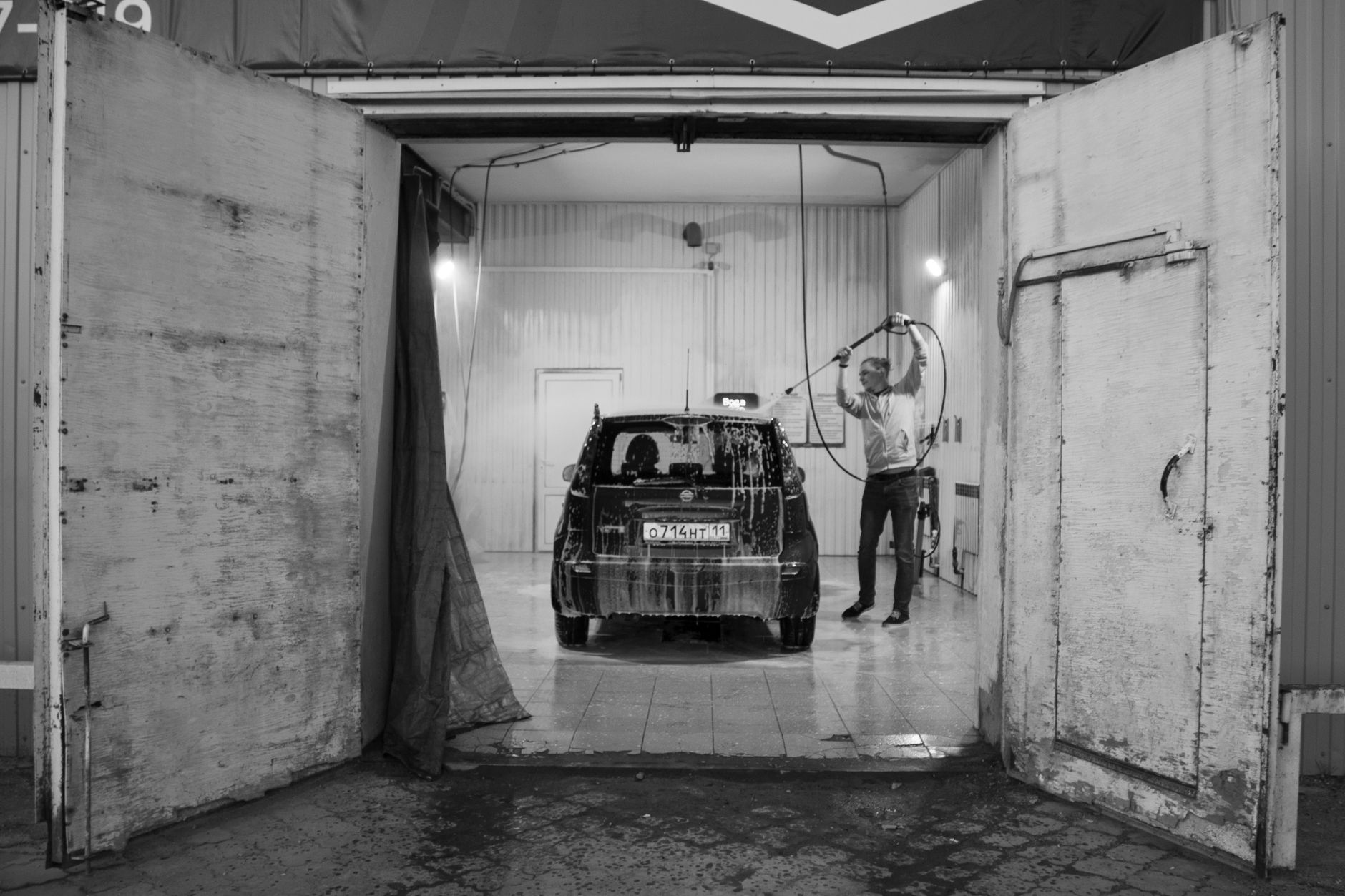 Photo by Вениамин Курочкин
How you charge depends on the job type and local competitors.
Most common approaches:
- Per Square Foot: Typical for homes and driveways. Rates range from $0.10 to $0.50 per square foot, depending on location and difficulty.
- Hourly Rate: Useful for small jobs or when work is unpredictable. Hourly rates in the US usually fall between $50 and $200.
- Flat Rate: For easy-to-quote jobs like cleaning a standard driveway or deck.
Example: Cleaning a 2,000-square-foot driveway at $0.15 per square foot equals $300. That needs to cover your costs, pay you a fair wage, and leave some profit.
Add Your Profit Margin
Once you’ve totaled up your costs, tack on a profit margin.
A good starting profit margin is about 20%. That means if your costs for a job come to $200, your bid should be at least $240.
If your costs are going up (chemicals, labor, insurance), don’t be afraid to adjust your margin. Profitable jobs keep your business alive.
Factor in Complexity and Special Requirements
Not all pressure washing jobs are created equal. Some need more time, skill, or supplies.
Add extra cost for:
- Oil, rust, or graffiti removal
- Second-story work or awkward surfaces
- Jobs that need special chemicals or hot water
- Accessible water supply issues
- Permit fees or special runoff management
If you’re washing for a business, check if you need extra insurance or local permits. Sidestepping red tape can lead to headaches and lost jobs.
Write a Clear, Professional Quote
A good quote list itemizes what you’ll do and what it will cost. That way, everyone knows what to expect. Include:
- Each area and the size measured
- What you’ll use (type of chemicals, water source)
- Cost for labor, equipment, and supplies
- Total price, including profit
- Start and finish times (or days)
- Any special notes, like stain removal or accessibility issues
If you use software or templates, even better. Professional-looking quotes get taken seriously.
Adjust For Discounts and Larger Jobs
For repeat customers or larger jobs, toss in a discount. That keeps them coming back and gives you an edge over your competitors.
- Offer a per-job rate or a recurring schedule discount—say, 10% off for quarterly cleanings.
- For multi-property jobs, group pricing saves setup and travel time, letting you trim the individual price.
Be clear if any discounts expire or only apply the first time.
Keep Communication Simple and Honest
Pressure washing isn’t complicated, but clear communication can make or break a deal.
- Explain your prices and what’s included.
- Warn about anything that could raise the total (like heavy stains or permit fees).
- Let the client know about things that might delay the job, like weather or limited water access.
- Always confirm details before you start, and get approval on changes as soon as possible.
Legal and Environmental Considerations
Don’t forget local laws and environmental rules. Some cities fine companies for letting runoff go down storm drains. Always know the rules before you bid.
- Secure permits for commercial or municipal work.
- Use eco-friendly chemicals when required.
- Make a plan for runoff or water reclamation if necessary.
These steps can mean bigger bids, but they save stress and help you avoid fines.
Conclusion
Bidding pressure washing jobs gets easier with practice. Measure carefully. Add up all your costs. Pick the right pricing method and markup. Communicate clearly and professionally.
A smart bid does more than win you work—it keeps your business strong and growing. The next time someone asks for a quote, you’ll know how to price it, win it, and profit.