
If you’re weighing the idea of investing in Ripple (XRP), you’re not alone. XRP remains one of the most talked-about cryptocurrencies. It’s been through soaring highs, dramatic falls, and endless news coverage. So, is XRP the next big thing or a coin to skip? Let's break it down—from how it works to what experts predict, along with the risks and opportunities you should know.
What Makes Ripple (XRP) Different?
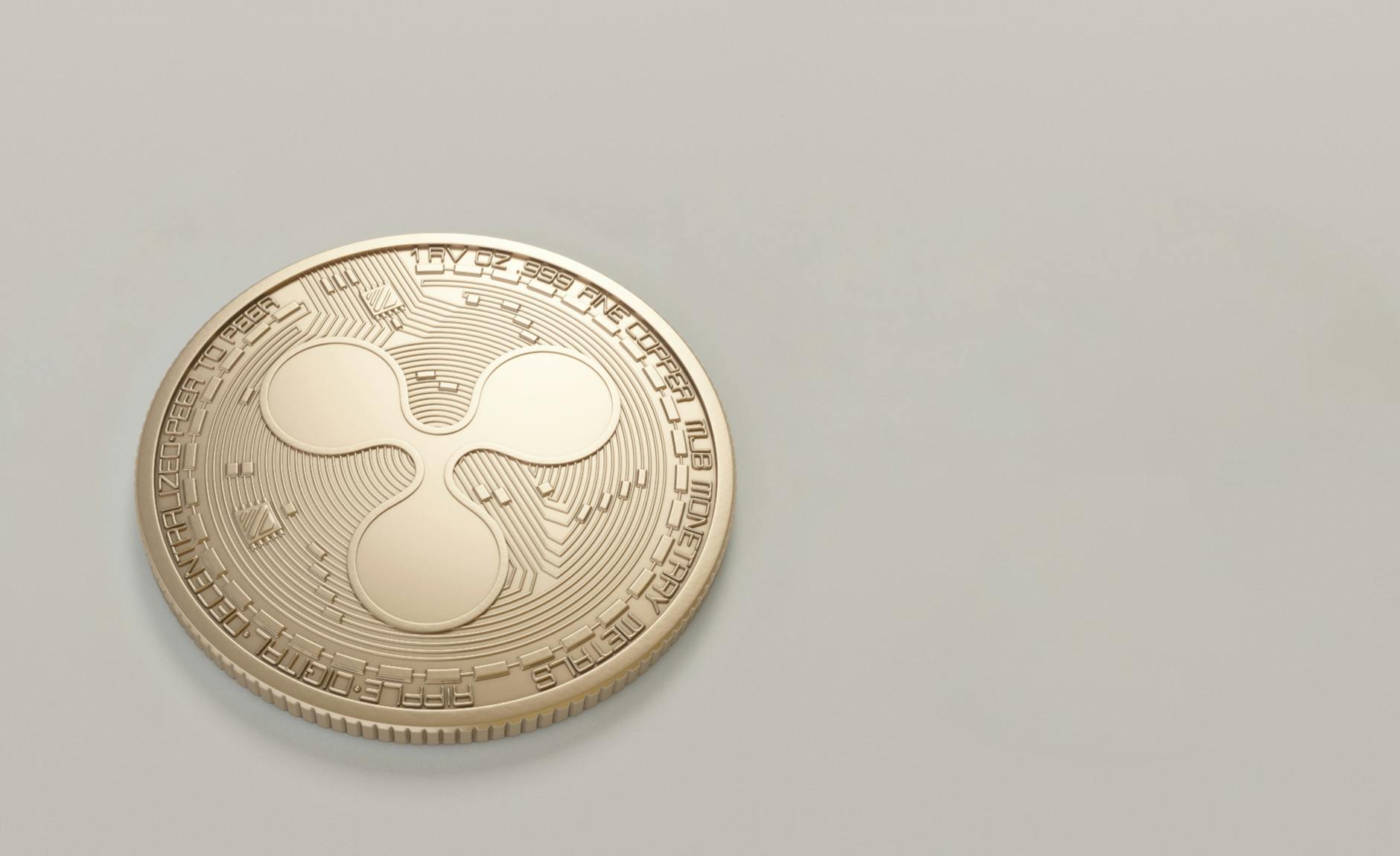 Photo by Moose Photos
Ripple Labs launched XRP in 2012 to make cross-border payments faster and cheaper. Unlike Bitcoin and Ethereum, XRP isn't mined—every single coin was created right from the start. Ripple Labs holds a big chunk in escrow, releasing them on a planned schedule to avoid flooding the market.
Key features:
- Transactions settle in 3–5 seconds.
- Fees cost less than a penny.
- Handles up to 1,500 transactions a second.
- Widely adopted by financial firms for global transfers.
This approach makes XRP different. It's less like digital gold (Bitcoin) and more like a super-highway for moving money across borders in seconds.
How Is XRP Performing in 2025?
XRP was trading around $2.25 in April 2025, with strong volume and a market cap over $130 billion. It sits among the top cryptocurrencies by value. Technical charts show major support between $1.70 and $1.80, and resistance around $3. Analysts believe if XRP breaks above $3, another rally is possible.
Long-term forecasts range from $2–$3 to $4.60 for 2025. Some ultra-optimistic projections say it could reach $10–$20 by 2030, but that rests on a lot going right—like more adoption from banks, and a favorable shift in regulations.
The Promise: Why Some Investors Like XRP
XRP's strengths have attracted high-profile partners, including:
Why do these companies care? XRP is built to move money quickly and cheaply—something banks and remittance firms need. Its fast settlement, low cost, and ability to scale makes it a practical tool for big institutions handling global payments.
XRP also stands out for its energy efficiency. Unlike Bitcoin’s proof-of-work, XRP’s consensus protocol is lighter on electricity. For investors who care about sustainability, this is a clear plus.
The Pitfalls: Key Risks You Should Know
But there’s no free lunch. XRP carries plenty of risk.
Regulatory Uncertainty
Ripple has been locked in a lawsuit with the U.S. Securities and Exchange Commission (SEC) since 2020. The SEC says XRP is an unregistered security. Rulings have been mixed, and the final outcome isn’t settled. Future court decisions could either unlock a wave of demand—or tank the price.
Centralization Concerns
Ripple Labs controls a large portion of all XRP in circulation. Some say this is too much power for one group. Large holdings could mean sudden, heavy selling pressure—or questions about fairness in the network.
Volatility and Market Shocks
XRP prices can swing wildly with the news. SEC headlines, big partnerships, or new regulations can move the price fast. If you invest, expect a bumpy road.
History shows:
- Late 2020: An SEC lawsuit sent XRP from $0.60 to about $0.20.
- July 2023: Legal victories shot the price up again.
What Do the Experts Say?
Financial analysts split into camps on XRP. Here’s what stands out:
- Some say XRP could hit $4.60 in the next year if legal hurdles clear, or even balloon to $10–$20 by 2030 if everything breaks its way.
- Others are more cautious, citing legal risks and unproven large-scale adoption.
- The most bullish forecasts see $48–$1,000 in a decade, but these numbers need a near miracle: global acceptance, full legal clarity, and tech upgrades keeping pace.
Expert consensus? XRP could see strong gains—but with more risk and volatility than most blue-chip assets.
Is Ripple Right for You? Key Factors to Weigh
Let’s make it simple. Consider these points before buying XRP:
Pros:
- Super-fast, cheap transactions
- Real-world use with global banks
- Strong partnerships and growing adoption
- Potential for high return—if adoption soars and legal results are positive
Cons:
- Ongoing regulation fight with the SEC
- Price volatility with sudden swings
- Centralization concerns with Ripple Labs’ holdings
- Not as widely used as Bitcoin/Ethereum (yet)
- Technology could still face tough competition from other payment coins
Investors with a high risk profile and belief in crypto's future utility may see XRP as a strong bet. But XRP is less of a “safe harbor” and more of a high-stakes gamble.
What Could Drive XRP’s Price Up—or Down?
Positive drivers:
- A clear legal win in the US
- More banks joining RippleNet or using XRP
- Integration into Central Bank Digital Currencies (CBDCs)
- Upgrades that make the tech even faster or more user-friendly
Downside risks:
- New lawsuits or legal setbacks
- Global regulators cracking down on crypto
- Loss of bank partners or slow adoption
- More competition from next-generation cryptos
Conclusion: Should You Invest in XRP?
Ripple (XRP) is one of crypto’s big names for a reason—it’s fast, cheap, and already working with major banks. Most experts agree that the next few years will bring big moves, for better or worse.
If you pick XRP, go in eyes wide open. Odds of huge profits come with the chance of heavy losses. Consider it for a small slice of a diversified portfolio, not a main holding. Never invest more than you can lose, and keep a close watch on the news.
Want to be at the front of the crypto revolution? XRP’s speed and reach make it a fascinating bet. But if you’re looking for stability, or less drama, look elsewhere. Always do your own research and stay up to date—crypto rewards only the well-informed.
Are you ready to ride the waves of XRP, or will you stay on the shore? That’s a choice only you can make.